
Home Health Care vs. Assisted Living: Which is Better?
The decision between home health care and assisted living is significant for families when considering the well-being of their loved ones. This article delves into the pros and cons of each option to help you make an informed choice. Understanding the distinctive features of these elder care solutions is vital for ensuring the optimal quality of life for seniors. This article will serve as a guide to help navigate this multifaceted decision-making process.
1. Understanding Home Health Care
1.1 Definition and Types of Services
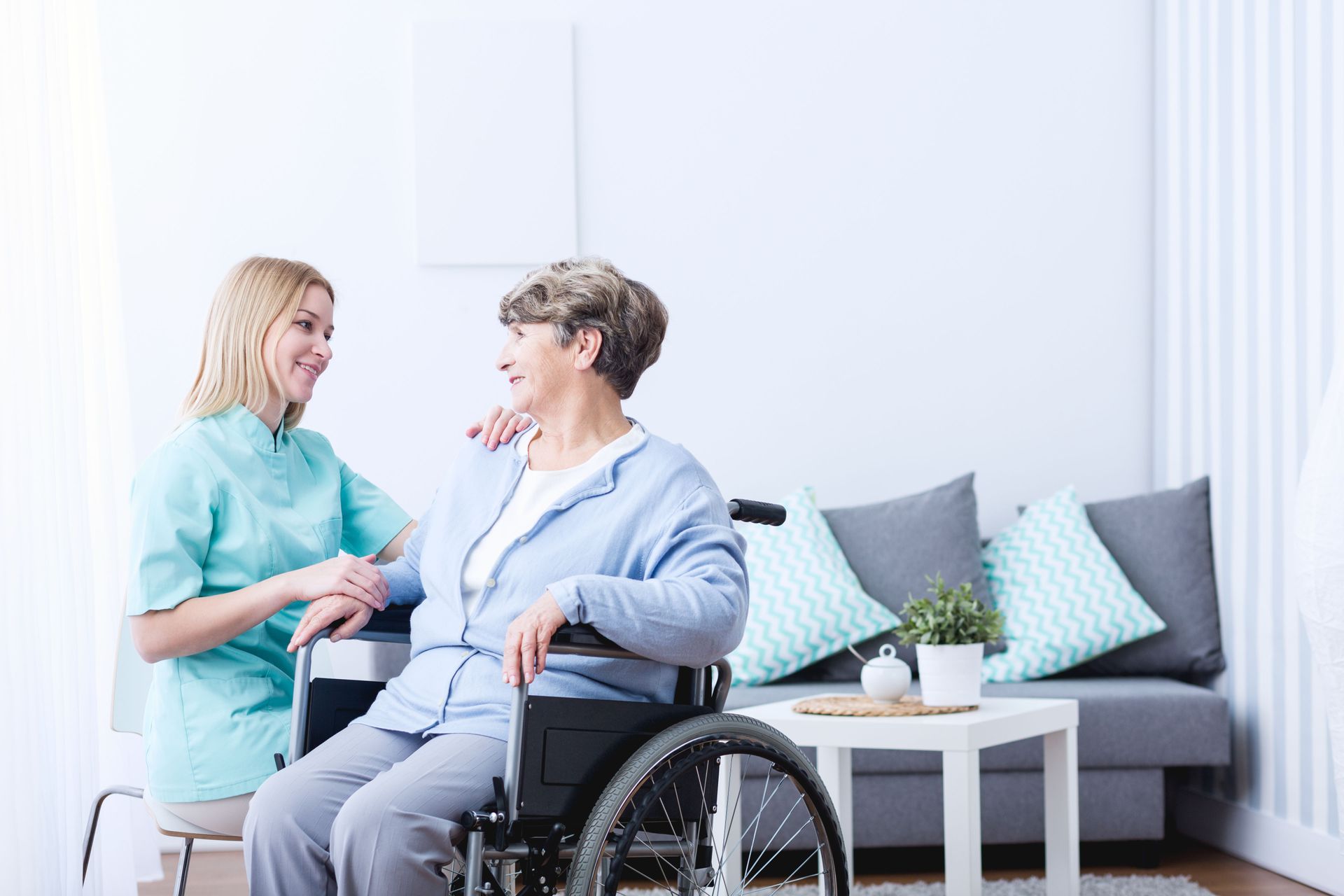
Home health care refers to professional health care services delivered in the comfort of an individual's home. These services include medical, nursing, and therapeutic care designed to assist individuals coping with health challenges. Home health care can also involve personal care services and activities of daily living (ADLs) support.
The primary advantage of home health care is its personalized nature, allowing services to be tailored to the individual's needs. This flexibility helps to maintain the individual's autonomy and provides peace of mind for family members. Furthermore, such services can range from routine health monitoring to rehabilitation and therapy.
Many home health care services are supported by health care professionals specializing in geriatric care. Nurses, therapists, and aides work collaboratively to maintain high-quality care as they manage various medical conditions. Home care agencies ensure that all personnel are trained and certified, adhering to state regulatory requirements.
1.2 Benefits of Staying at Home
One of the greatest benefits of home health care is that it allows individuals to remain in familiar surroundings. Living at home can enhance feelings of safety and emotional well-being, which are crucial factors for an older adult's health. Accessing care at home also eliminates the disorientation or anxiety that may arise from moving to a new environment.
The flexibility of home health care enables seniors to maintain their routines and preserves their lifestyle continuity. Family members often find it easier to participate in the caregiving process, offering additional layers of emotional support and companionship. This environment fosters independence while still providing the necessary medical oversight.
According to Gitnux, about 27 million older adults in the U.S. live alone, nearly 24% of the senior population. Home health care is particularly beneficial for these seniors, offering much-needed companionship and assistance. Preventive healthcare services can also be administered at home, reducing the risk of hospitalizations.
1.3 Potential Challenges
Despite its advantages, home health care may not be suitable for everyone, particularly for those needing intensive medical attention. The logistics of coordinating multiple caregivers and services can be overwhelming for families. Professional caregivers have work schedules and responsibilities that may limit their ability to provide round-the-clock care.
The home environment might require modifications to enhance accessibility and safety, which can present additional expenses. For example, installing ramps, grab bars, or medical alert systems may be necessary to accommodate mobility issues. Moreover, emergency medical situations could encounter delays due to the caregiver's commute time.
Family dynamics and caregiving expectations must also be carefully managed to prevent burnout. It is essential for family members to communicate effectively and establish a support network for themselves. Without adequate planning, the cumulative stress could impact both the caregiver and care recipient's quality of life.
2. Exploring Assisted Living
2.1 Overview of Assisted Living Facilities
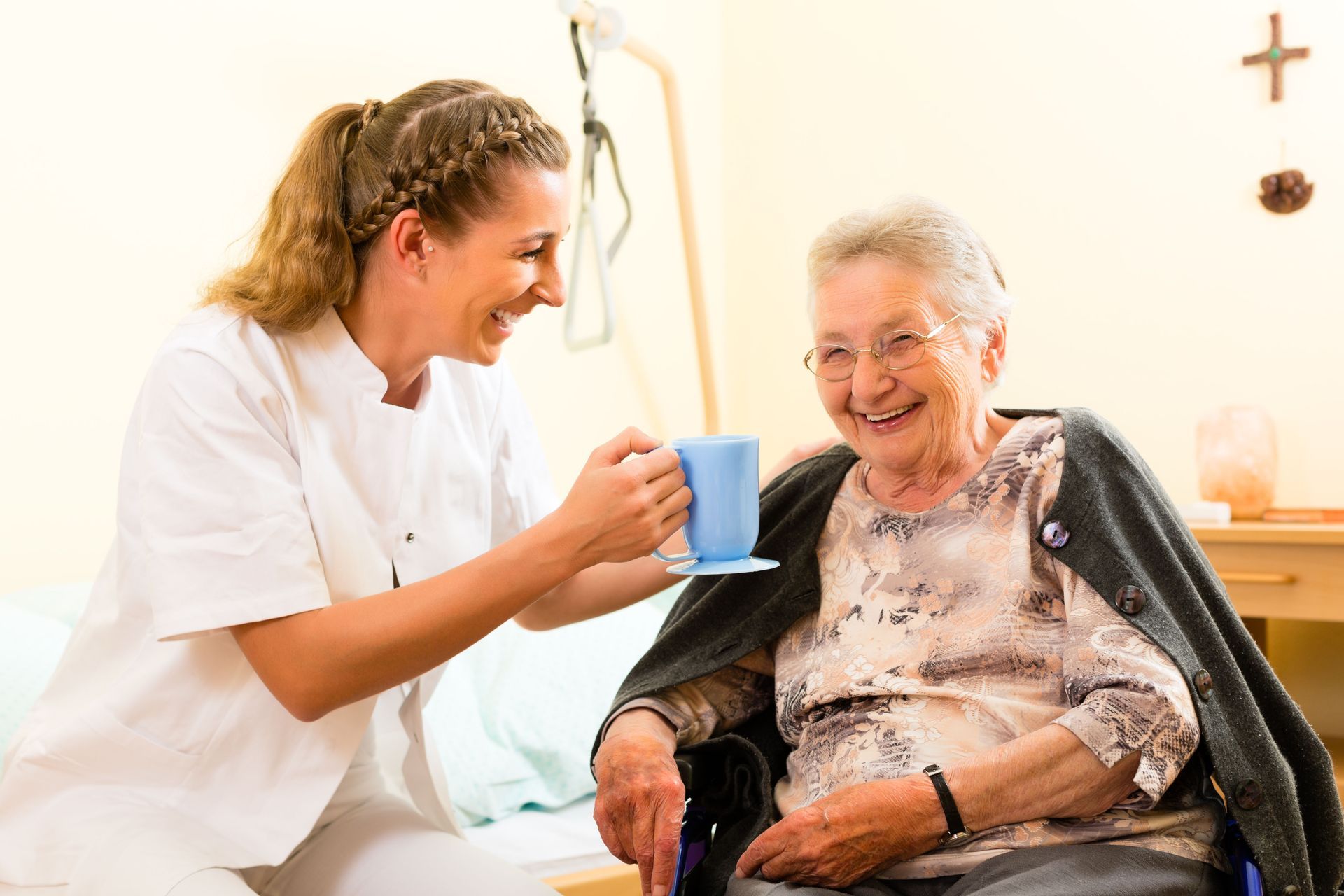
Assisted living facilities are residential facilities designed for individuals who require assistance with daily activities but do not need round-the-clock medical oversight. These facilities offer a community environment consisting of private apartments or shared accommodations. Residents benefit from a comprehensive support system, including housekeeping, meals, and personal care.
A key advantage of assisted living is the opportunity for social interaction in a community of peers. Structured around group activities and shared spaces, residents can engage in hobbies, fitness programs, and social events. This social framework aids in combating feelings of loneliness and isolation among seniors.
These facilities provide tailored services with various support levels, accommodating specific needs while promoting personal independence. Licensed medical personnel are typically available on-site, providing reassurance and immediate assistance as required. Assisted living communities aim to foster a balanced lifestyle that integrates care and autonomy.
2.2 Structure and Services Offered
Assisted living facilities are often organized to mimic a homelike and welcoming atmosphere while providing necessary care and services. Residents have access to spacious common areas, communal dining, and recreational facilities. The staff is trained to offer personalized care, respecting residents' privacy and preferences.
The comprehensive services available include assistance with bathing, medication management, meal preparation, and transportation. Facilities also cater to residents with varying degrees of physical and cognitive health issues, providing adaptive care interventions. This enables a tailored approach, addressing the unique needs of each resident.
In addition to physical care, many assisted living facilities offer a broad array of lifestyle enrichment programs. These may include art classes, fitness sessions, cultural outings, and educational workshops. Such initiatives not only engage the mind and body but enhance residents' overall quality of life.
2.3 Social and Community Aspects
The communal setting is a defining feature of assisted living facilities, fostering relationships and shared experiences among residents. Social interaction is vital for seniors' mental health, reducing the risk of depression and cognitive decline. Residents often report increased satisfaction thanks to friendships and community engagement.
Facilities encourage interaction through organized activities and events that span a wide range of interests and abilities. Regularly scheduled group outings, movie nights, and holiday celebrations keep residents engaged and reduce feelings of loneliness. The availability of companionship alleviates feelings of isolation prevalent in independent living settings.
Family members are also encouraged to participate in community activities, strengthening bonds and providing opportunities for shared experiences. This involvement allows families to feel more connected and integral to their loved one's life. Many facilities offer support groups and counseling, addressing the emotional needs of residents and families alike.
3. Quality of Life Considerations
3.1 Independence and Autonomy
Independence greatly influences the overall perception of satisfaction and quality of life among seniors. Home health care often promotes autonomy by allowing seniors to continue with familiar activities in their own environment. Seniors can maintain control over daily routines and create a supportive atmosphere tailored to their preferences.
Assisted living balances autonomy with structured care, providing the necessary support to retain as much independence as possible. Residents generally have the liberty to engage in activities of their choice within the facility's framework. The choice between personal independence and the degree of support required is a personal comfort matter.
The opportunity to make decisions independently is vital to seniors' psychological well-being. Whether through home health or assisted living, promoting autonomy enhances life satisfaction. It's essential to ensure seniors feel respected and involved in decisions that directly impact their lives.
3.2 Social Interaction and Activities
Social engagement plays a crucial role in healthy aging and quality of life, reducing the risks of depression, anxiety, and loneliness. Home care might limit opportunities for broader social interaction, especially for seniors living alone. Family interaction and community involvement remain key components of their social sphere.
Assisted living communities offer numerous opportunities for socialization, from daily activities to organized events. Residents can build friendships, participate in group hobbies, and engage with peers, enhancing their social skills. The variety provided within assisted living environments ensures continued learning and enjoyment.
3.3 Health Safety and Monitoring
Safety and health monitoring are essential components of elder care, ensuring seniors receive timely medical interventions when needed. Home health care facilitates personalized health monitoring, allowing caregivers to adapt to changing health conditions. Technology can supplement care arrangements, providing remote monitoring options and emergency alerts.
On the other hand, assisted living communities offer on-site health professionals available 24/7, providing immediate attention to health issues. This constant supervision fosters a feeling of security among residents and their families. Emergency call systems and trained staff ensure rapid response to any health-related concerns.
As you can see, there are many benefits to both home health care and assisted living. If you're looking for personalized care services for you or a loved one, contact ABC Healthcare Programs today.


Share On: